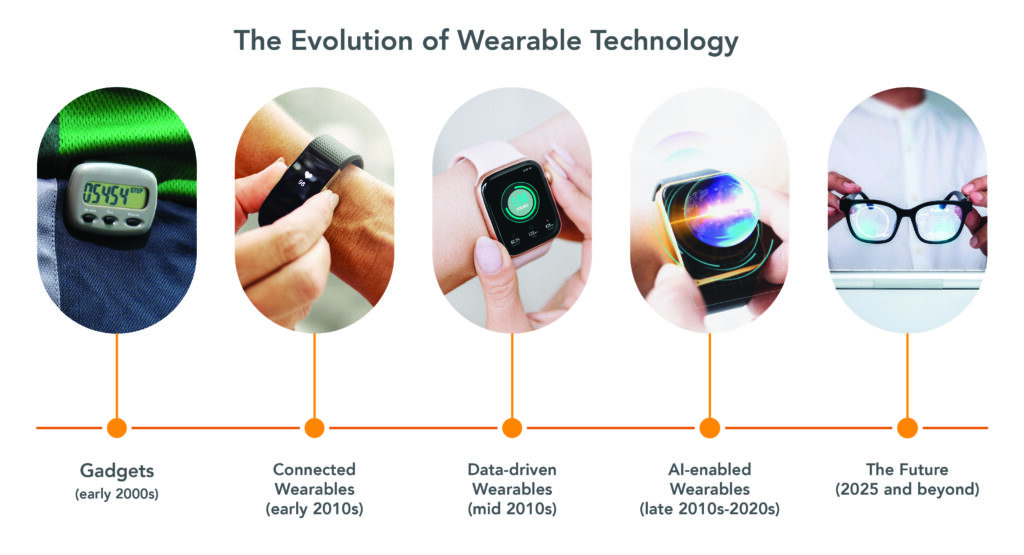
Technology has become deeply connected to modern health and fitness habits. What once required notebooks, manual tracking, or occasional doctor visits can now be monitored instantly through smart devices worn on the body. Wearable technology has changed the way people exercise, monitor health, and understand their daily routines. From counting steps to measuring sleep quality and heart rate, wearable devices have become part of everyday life for millions of people around the world.
Fitness tracking began with simple pedometers that counted daily steps. Today, wearable technology has evolved into advanced smartwatches, fitness bands, smart rings, and even sensor-equipped clothing capable of monitoring a wide range of health data in real time. These devices help users stay more aware of their physical activity, sleep habits, stress levels, and overall wellness.
One reason wearable technology has become so popular is convenience. People no longer need separate devices for tracking workouts, checking notifications, measuring heart rate, or monitoring daily movement. Many wearable devices combine multiple functions into compact products that can be worn comfortably throughout the day.
The rise of health awareness has also contributed to the popularity of wearables. More people are focusing on fitness, preventive healthcare, stress management, and healthier lifestyles. Wearable devices provide immediate feedback that encourages users to stay active and build better daily habits.
At the same time, wearable technology continues raising discussions about data privacy, accuracy, and overdependence on constant tracking. While these devices offer many benefits, they are tools designed to support healthier habits rather than replace professional medical care or human judgment.
How Wearables Are Changing Daily Fitness Habits
One of the biggest impacts of wearable technology is how it motivates people to stay physically active. Many individuals struggle with maintaining regular exercise routines, especially with busy schedules and sedentary lifestyles. Wearable devices help create awareness about movement and encourage healthier daily habits.
Step tracking remains one of the most common features in fitness wearables. Simple daily step goals encourage users to move more throughout the day instead of sitting for long periods. Even people who do not follow structured workout routines often become more active simply because they start paying attention to movement patterns.
Modern fitness trackers also monitor calories burned, distance traveled, workout intensity, and active minutes. This allows users to better understand how much physical activity they perform daily. Visual progress tracking often increases motivation because people can see improvements over time.
Workout-specific tracking has become increasingly advanced. Many smartwatches and fitness bands now recognize activities such as running, cycling, swimming, strength training, yoga, and hiking automatically. Users receive detailed data about pace, heart rate, recovery, and performance during exercise sessions.
Athletes and fitness enthusiasts especially benefit from advanced wearable metrics. Devices can now monitor running cadence, oxygen levels, recovery time, and cardiovascular performance. This helps users train more efficiently and reduce the risk of overtraining or injury.
Wearables have also made home workouts more interactive. Many devices connect directly to fitness apps, virtual trainers, and online workout programs. Real-time feedback during exercise sessions helps users maintain consistency and track progress more effectively without needing gym memberships.
Gamification is another reason fitness wearables remain engaging. Achievement badges, streak tracking, leaderboards, and activity challenges make exercise feel more rewarding and enjoyable. Friendly competition between friends or family members often motivates people to stay active longer.
Smart reminders are also useful for people with sedentary lifestyles. Many devices send notifications encouraging users to stand, stretch, or walk after long periods of inactivity. Small reminders throughout the day can gradually improve movement habits and reduce prolonged sitting.
Fitness wearables have become especially popular among people trying to lose weight or improve overall health. Tracking movement, calories, and workouts helps users stay more aware of their habits and make better lifestyle choices. However, experts also caution against becoming overly obsessed with numbers and daily targets.
Another major benefit of wearable technology is accessibility. In the past, detailed fitness tracking was mainly available to professional athletes or people using expensive equipment. Today, affordable fitness bands and smartwatches allow ordinary users to access detailed health and workout information easily.
The social aspect of fitness tracking has also grown significantly. Many wearable apps allow users to share achievements, join fitness communities, and participate in global challenges. This sense of connection and accountability often helps people stay motivated over longer periods.
Health Monitoring Beyond Basic Fitness Tracking
While fitness remains a major focus, wearable technology is increasingly being used for broader health monitoring. Modern devices now track much more than exercise activity, helping users gain deeper insights into their overall physical and mental well-being.
Heart rate monitoring has become one of the most important wearable features. Continuous heart rate tracking allows users to understand resting heart rate, workout intensity, and stress levels more clearly. Some devices can also detect irregular heart rhythms and encourage users to seek medical advice if unusual patterns appear.
Sleep tracking is another rapidly growing area in wearable technology. Many people underestimate the importance of sleep for physical recovery, mental health, and productivity. Wearables now analyze sleep duration, sleep stages, and nighttime interruptions to help users improve sleeping habits.
Stress tracking has also become increasingly common. Many devices estimate stress levels using heart rate variability and other physiological signals. Guided breathing exercises, mindfulness reminders, and relaxation features are often integrated directly into wearable systems to support mental wellness.
Blood oxygen monitoring became more widely recognized during recent global health discussions. Some wearables now track oxygen saturation levels, helping users monitor respiratory health and recovery during exercise or illness.
Women’s health tracking is another area where wearable technology continues expanding. Many devices help track menstrual cycles, fertility windows, hormonal patterns, and related health metrics. These features provide users with more personalized insights into overall wellness.
Smart rings and smaller wearable devices are also becoming popular because they provide health tracking in more discreet and comfortable forms. Some users prefer lightweight wearables over larger smartwatches while still gaining access to important wellness data.
Medical applications of wearable technology are growing as well. Some healthcare providers now use wearable devices to monitor patients remotely, especially those with chronic conditions or recovery needs. Continuous health monitoring may help doctors identify issues earlier and improve long-term patient care.
Elderly individuals also benefit from wearable safety features. Fall detection, emergency alerts, and location tracking provide additional security for older adults living independently. Family members and caregivers often feel more reassured knowing emergency systems can respond quickly if needed.
However, wearable health tracking also has limitations. Consumer devices are helpful for general wellness awareness, but they are not always perfectly accurate or suitable for diagnosing medical conditions. Many health experts remind users that wearable data should support healthy habits rather than replace professional healthcare advice.
Data privacy remains another major concern. Wearable devices collect large amounts of personal health information, including activity patterns, sleep habits, and biometric data. Users are becoming more aware of how companies store and use this information, leading to growing discussions about digital privacy and security.
The Future of Wearable Technology and Personal Wellness
Wearable technology continues evolving rapidly, and future developments may make health tracking even more advanced and personalized. Artificial intelligence is already improving how wearable devices analyze data and provide recommendations based on user behavior and health patterns.
AI-powered wearables may eventually predict potential health issues before symptoms become serious. Early warning systems based on long-term biometric trends could help users identify stress, fatigue, sleep problems, or cardiovascular risks earlier than traditional monitoring methods alone.
Smart clothing is another growing area of wearable innovation. Researchers and technology companies are developing shirts, shoes, and fabrics with built-in sensors capable of monitoring posture, muscle activity, temperature, and movement patterns. These products may become increasingly common in sports, healthcare, and rehabilitation.
Battery life and comfort are also improving steadily. Earlier wearable devices often required frequent charging and bulky designs. Newer products are becoming lighter, more stylish, and more energy efficient, making them easier to integrate into daily life.
Fashion and technology are becoming more connected as wearable devices become style accessories rather than purely technical products. Smartwatches now come in multiple designs, materials, and customizable options that appeal to different personal styles and age groups.
Mental health tracking may also become more advanced in the future. Wearables are increasingly exploring connections between stress, mood, sleep, and physiological responses. Future systems may provide more personalized wellness recommendations to support emotional balance and stress management.
Integration between wearable devices and healthcare systems will likely continue expanding. Doctors may eventually rely more heavily on continuous patient data collected through wearables instead of occasional clinic visits alone. This could improve preventive healthcare and long-term monitoring for chronic conditions.
At the same time, experts continue discussing the psychological effects of constant health tracking. Some people may develop anxiety or unhealthy obsessions about reaching perfect numbers for sleep, activity, or calories. Balance remains important because wellness should support quality of life rather than create additional stress.
Wearable technology is also helping make health awareness more mainstream globally. People who previously paid little attention to movement, sleep, hydration, or stress are now becoming more conscious of their daily habits through real-time tracking and reminders.
Affordability will likely influence future adoption as well. While premium smartwatches remain expensive, more affordable fitness trackers continue entering global markets, making wearable technology accessible to larger populations.
Ultimately, wearable devices work best when they encourage sustainable and realistic health habits. Technology alone cannot replace exercise, proper nutrition, sleep, or medical care, but it can provide useful guidance and motivation. As wearable technology continues advancing, it will likely play an even bigger role in helping people understand their bodies, improve fitness routines, and maintain healthier lifestyles in everyday life.
Leave a Reply