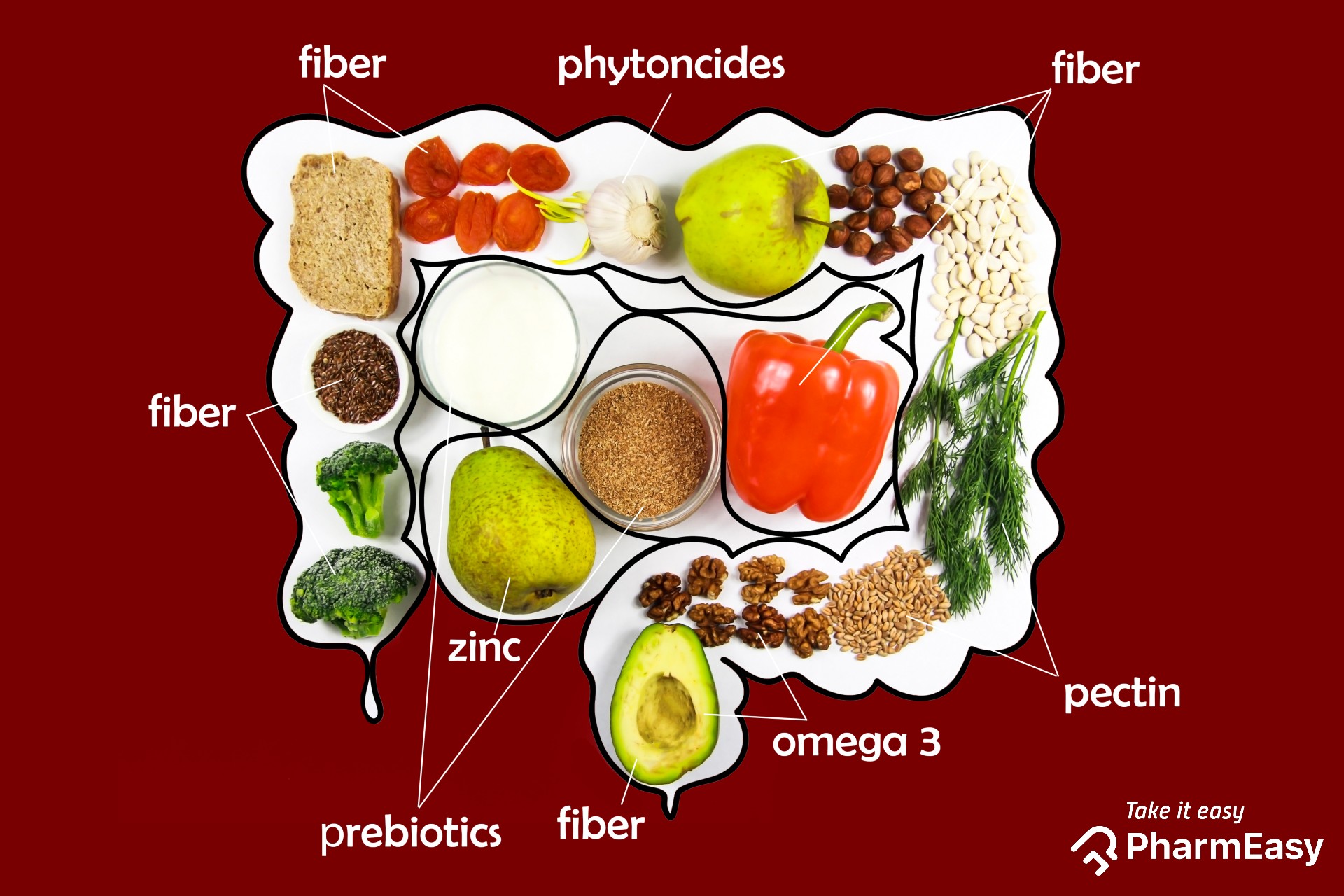
Digestive health plays a much bigger role in overall wellness than many people realize. The digestive system is responsible for breaking down food, absorbing nutrients, supporting immunity, and helping the body remove waste properly. When digestion works well, people often feel more energetic, comfortable, and healthy. When it does not, problems such as bloating, constipation, stomach discomfort, fatigue, and irregular bowel movements can affect daily life significantly.
In recent years, gut health has become an important topic worldwide as researchers continue learning more about the connection between digestion and overall physical and mental health. The human gut contains trillions of bacteria and microorganisms, often called the gut microbiome. These microorganisms help process food, support immune function, and even influence mood and brain health.
Poor eating habits, stress, lack of sleep, dehydration, and highly processed foods can negatively affect digestive health over time. Many people rely on quick meals, sugary snacks, and irregular eating schedules, which may contribute to digestive discomfort and imbalances in gut bacteria.
The good news is that many natural foods can support digestion and improve gut health without requiring complicated diets or expensive supplements. Simple dietary habits such as eating more fiber-rich foods, fermented foods, fruits, vegetables, and staying hydrated can help the digestive system function more effectively.
Healthy digestion is not only about avoiding discomfort. A well-functioning digestive system supports nutrient absorption, energy levels, immune strength, and long-term wellness. Small changes in daily eating habits can often create noticeable improvements in how people feel physically and mentally.
Fiber-Rich Foods That Support Healthy Digestion
One of the most important nutrients for digestive health is fiber. Fiber helps food move through the digestive system more smoothly, supports regular bowel movements, and feeds beneficial gut bacteria. Unfortunately, many modern diets contain far less fiber than the body needs.
Fruits and vegetables are among the best natural sources of dietary fiber. Apples, pears, berries, oranges, bananas, carrots, spinach, broccoli, and leafy greens all support digestion in different ways. Fruits and vegetables also contain vitamins, minerals, antioxidants, and water that help maintain overall digestive balance.
Bananas are especially popular for digestive support because they are easy to digest and contain natural compounds that help maintain gut health. They also provide potassium, which supports hydration and muscle function in the digestive system.
Leafy greens such as spinach and kale contain fiber and nutrients that support healthy digestion while remaining relatively gentle on the stomach. Vegetables also help increase feelings of fullness, reducing the likelihood of overeating highly processed foods that may upset digestion.
Whole grains are another valuable source of fiber. Oats, brown rice, quinoa, barley, and whole wheat products help maintain regular bowel movements and support healthy gut bacteria. Oats are particularly beneficial because they contain a type of soluble fiber that supports digestion and may help stabilize blood sugar levels.
Legumes such as beans, lentils, and chickpeas are also highly beneficial for gut health. They provide both fiber and plant-based protein while helping beneficial bacteria thrive in the digestive tract. Although some people may initially experience gas when increasing legumes, gradual intake often allows the digestive system to adapt over time.
Seeds and nuts can also support digestion when eaten in moderation. Chia seeds and flaxseeds are especially rich in fiber and absorb water easily, helping improve bowel regularity. Almonds and walnuts provide healthy fats and nutrients that support overall digestive wellness.
Hydration works closely with fiber intake. Fiber needs water to move effectively through the digestive system. Without enough fluids, increasing fiber too quickly may actually worsen constipation or bloating. Drinking enough water throughout the day helps digestion function more smoothly and supports overall gut health.
Many people increase fiber intake too suddenly, which can cause temporary discomfort. Gradual dietary changes usually work best because they allow the digestive system to adjust naturally. Consistency matters more than making extreme changes all at once.
Processed foods often contain very little fiber despite being common in modern diets. Fast food, packaged snacks, sugary cereals, and highly refined products may contribute to digestive issues because they lack the nutrients needed to support healthy gut bacteria and regular digestion.
Fermented Foods and Natural Probiotics for Gut Balance
Another important area of digestive health involves probiotics and beneficial bacteria. The gut microbiome depends on a healthy balance of microorganisms that help digest food and support immunity. Certain foods naturally contain probiotics that may help maintain this balance.
Yogurt is one of the most widely recognized probiotic foods globally. Yogurt containing live cultures provides beneficial bacteria that can support digestion and gut health. Plain yogurt with minimal added sugar is generally considered the healthiest option because excessive sugar may negatively affect gut balance.
Kefir is another fermented dairy product known for its probiotic content. It contains multiple strains of beneficial bacteria and yeast that may support digestive health. Many people find kefir easier to digest than regular milk because the fermentation process reduces lactose content.
Fermented vegetables such as sauerkraut, kimchi, and pickles also contain probiotics that support gut bacteria diversity. These foods have been part of traditional diets in many cultures for centuries. Fermentation naturally creates beneficial microorganisms that may improve digestion and support immune health.
Miso and tempeh, commonly used in Asian cuisines, are fermented soybean products that also provide probiotics and nutrients. They are popular among people seeking plant-based sources of gut-friendly foods.
Prebiotics are equally important for gut health. Unlike probiotics, which are live bacteria, prebiotics are fibers that feed beneficial bacteria already living in the digestive system. Foods such as garlic, onions, leeks, asparagus, and bananas naturally contain prebiotic compounds that help healthy gut bacteria thrive.
Garlic and onions not only add flavor to meals but also support the growth of beneficial microorganisms in the digestive tract. These foods contain natural compounds that may improve overall gut balance over time.
Fermented foods may not work the same way for everyone. Some individuals with sensitive digestive systems may need to introduce them gradually to avoid temporary bloating or discomfort. Portion size and individual tolerance play important roles in digestive health.
The growing popularity of probiotic supplements has also increased awareness about gut health. However, many people can support their digestive systems effectively through natural food choices rather than relying only on supplements.
Highly processed diets, excessive alcohol, chronic stress, and frequent antibiotic use may negatively affect gut bacteria balance. Incorporating more natural probiotic and prebiotic foods into regular meals can help restore some of this balance gradually.
Gut health also appears closely connected to immunity and mental wellness. Researchers continue studying the relationship between the digestive system and the brain, sometimes called the “gut-brain connection.” A healthy digestive system may positively influence mood, stress levels, and overall well-being.
Daily Habits That Help Maintain Better Digestion
While food choices play a major role in digestive health, daily habits also strongly affect how the digestive system functions. Many digestive problems are linked not only to what people eat but also to how they eat and live.
Eating too quickly is a common habit that can negatively affect digestion. Many people rush through meals while working, driving, or using phones. Eating slowly allows the body to process food more effectively and helps people recognize fullness before overeating.
Chewing food properly is another simple but important habit. Digestion begins in the mouth, where chewing helps break down food before it reaches the stomach. Poor chewing may contribute to bloating and digestive discomfort.
Regular meal timing can also support digestive health. Irregular eating schedules, skipping meals, or eating very late at night may disrupt digestion for some individuals. Consistent meal routines often help the body maintain more stable digestive patterns.
Physical activity supports digestion as well. Walking, stretching, and regular exercise help stimulate intestinal movement and reduce sluggish digestion. Many people notice improved digestion simply from becoming more physically active during the day.
Stress management is another major factor in gut health. Stress can strongly affect the digestive system, sometimes causing stomach pain, bloating, appetite changes, or irregular bowel movements. Long-term stress may also influence gut bacteria balance negatively.
Sleep quality is closely connected to digestion too. Poor sleep may increase inflammation, affect appetite hormones, and contribute to unhealthy eating habits. Maintaining consistent sleep routines supports both digestion and overall health.
Some foods may trigger digestive discomfort for certain individuals even if they are generally healthy. Dairy, spicy foods, fried foods, caffeine, or gluten may affect people differently depending on personal sensitivities. Paying attention to how the body responds to specific foods can help individuals identify patterns and make better dietary choices.
Moderation is important in maintaining healthy digestion. Overeating, even healthy foods, may strain the digestive system and cause discomfort. Balanced meals and reasonable portion sizes usually support digestion more effectively than extreme eating patterns.
Hydration remains one of the simplest and most important habits for gut health. Water supports nutrient absorption, helps fiber move through the digestive tract, and prevents dehydration-related digestive problems. Many people improve digestion significantly simply by increasing daily water intake.
Healthy digestion develops gradually through consistent habits rather than quick solutions. Small changes such as eating more fiber-rich foods, including fermented foods, staying hydrated, exercising regularly, and managing stress can support the digestive system naturally over time. As gut health improves, many people also notice better energy levels, stronger immunity, and greater overall comfort in daily life.
Leave a Reply