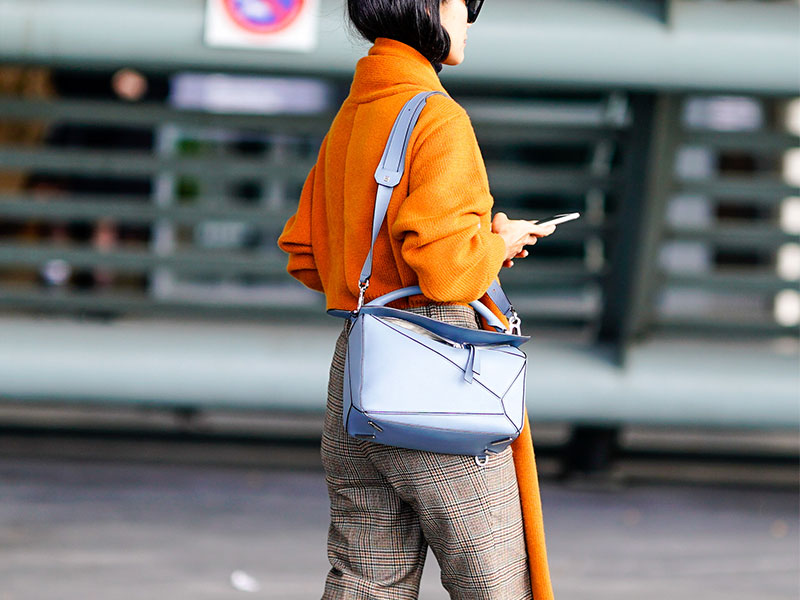
Fashion is not only about wearing expensive clothes or following the latest trends. A good outfit often depends more on balance, coordination, and overall presentation than on individual clothing items. Even stylish pieces can look awkward when they do not work well together. This is why understanding balance in fashion is important for creating outfits that look comfortable, polished, and visually appealing.
Many people assume that fashion mistakes only involve wearing outdated styles or mismatched colors. In reality, some of the most common style problems come from poor proportions, incorrect fit, excessive layering, or combining too many competing elements at once. These small details can affect how an entire outfit looks and feels.
Fashion balance refers to the way clothing, colors, textures, accessories, and proportions work together. A balanced outfit feels visually harmonious rather than overwhelming or disorganized. This does not mean everyone needs to dress minimally or avoid creativity. Personal style remains important, but understanding balance helps people express themselves more effectively.
Social media and fast-changing fashion trends sometimes encourage extreme styling choices that may look appealing online but are difficult to wear in everyday life. Oversized fits, bold patterns, heavy accessories, and layered trends can quickly become overwhelming when not styled carefully. Understanding common fashion mistakes helps people build more confident and wearable outfits without losing individuality.
Modern fashion is also more flexible than ever before. Casual, streetwear, business casual, and minimalist styles often overlap, allowing people to experiment more freely. However, the basic principles of fit, proportion, and coordination still strongly influence whether an outfit looks balanced or chaotic.
Wearing Clothes That Do Not Fit Properly
One of the biggest fashion mistakes people make is wearing clothes that fit poorly. Fit affects almost every aspect of style because even expensive or trendy clothing can look unbalanced if the proportions are wrong.
Clothing that is too tight often creates discomfort and restricts movement. Extremely tight outfits may also distort proportions and make an outfit feel visually crowded. On the other hand, clothing that is too loose can sometimes look shapeless or sloppy when not styled intentionally.
Oversized fashion has become popular globally, especially in streetwear and casual styles. However, balance is important when wearing loose-fitting clothing. If every piece in an outfit is oversized, the overall appearance may feel heavy or unstructured. Many stylists recommend balancing oversized items with more fitted pieces to create cleaner proportions.
For example, loose trousers often pair better with a more fitted top, while oversized hoodies or jackets may work well with slimmer bottoms. This contrast helps create structure and prevents the outfit from appearing overwhelming.
Sleeve length, pant length, and shoulder fit also affect balance significantly. Jackets with shoulders that extend too far or pants that drag excessively on the floor can make outfits appear unpolished. Small tailoring adjustments often improve clothing appearance dramatically.
Many people focus heavily on trends while ignoring body proportions. Fashion does not require everyone to follow the same silhouettes. Certain cuts, lengths, and fits naturally work better for different body types and personal comfort levels. Understanding what feels balanced personally is often more useful than copying every trend.
Layering mistakes are another common issue. Layers can add depth and style to outfits, especially during colder seasons, but excessive layering may create unnecessary bulk. Wearing too many thick layers at once can hide natural proportions and make outfits appear visually heavy.
Fabric choice also influences fit and balance. Stiff fabrics create more structure, while softer materials drape differently on the body. Combining multiple oversized or heavy fabrics together may create an outfit that feels unbalanced. Mixing textures carefully often creates a more refined appearance.
Another mistake is ignoring comfort while trying to look fashionable. Clothing that constantly requires adjustment or feels uncomfortable often affects confidence and body language. Balanced fashion usually combines style with practicality so that people feel relaxed and natural in what they wear.
Fast fashion has also contributed to fit-related problems because mass-produced clothing often follows standard sizing that may not suit everyone properly. Trying different fits, experimenting with tailoring, and prioritizing comfort can improve overall style more effectively than constantly buying new trends.
Proper fit does not mean every outfit must look formal or perfectly tailored. Even relaxed casual clothing can appear balanced when proportions are intentional and comfortable. The goal is not perfection but creating harmony between clothing pieces and body proportions.
Mixing Too Many Styles, Colors, or Accessories at Once
Another major reason outfits look unbalanced is excessive visual competition. When too many bold elements appear together, the eye struggles to focus, and the overall look may feel chaotic instead of stylish.
Color coordination plays a major role in outfit balance. Bright colors, patterns, and statement pieces can all work beautifully when styled thoughtfully. Problems usually happen when too many attention-grabbing elements compete within the same outfit.
For example, combining heavily patterned clothing with bold accessories, bright shoes, and multiple contrasting colors may create visual overload. In many cases, balancing statement pieces with simpler basics creates a cleaner and more polished appearance.
Neutral colors remain popular partly because they are easier to coordinate. Black, white, gray, beige, navy, and earth tones provide flexibility and allow stronger pieces to stand out more naturally. This does not mean colorful fashion should be avoided, but balanced outfits usually include some visual contrast between simple and bold elements.
Print mixing can also become difficult without balance. Patterns such as stripes, florals, animal prints, or graphic designs may clash if they compete too strongly. Successful print combinations often share similar color palettes or vary in scale to create harmony rather than confusion.
Accessories are another area where people sometimes overdo styling. Watches, jewelry, bags, hats, sunglasses, scarves, and belts can all improve outfits, but too many accessories at once may make the overall look feel crowded.
Minimalism in accessories has become increasingly popular because simple styling often looks cleaner and more timeless. A few well-chosen accessories usually create stronger visual impact than layering many statement pieces together.
Footwear also influences balance significantly. Shoes should generally match the overall mood and formality of the outfit. Athletic sneakers paired with highly formal clothing or extremely heavy boots with delicate outfits may create visual imbalance unless styled intentionally for a fashion-forward look.
Logos and branding can also affect outfit balance. Large visible logos on multiple clothing items sometimes create a cluttered appearance. Many modern fashion trends now favor cleaner designs and subtle branding because they create more versatile and balanced outfits.
Trying to follow every fashion trend simultaneously is another common mistake. Social media often promotes constantly changing trends, making people feel pressure to experiment with every new style. However, combining too many trend-driven pieces at once may make outfits feel forced rather than natural.
Personal style works best when trends are adapted selectively instead of copied entirely. Mixing timeless basics with a few modern elements often creates more balanced and wearable fashion choices.
Seasonal dressing also affects outfit harmony. Heavy winter clothing combined with lightweight summer pieces may appear visually inconsistent unless styled carefully. Paying attention to fabric weight and seasonal textures helps create more cohesive looks.
Building More Balanced and Confident Outfits
Creating balanced outfits does not require expensive wardrobes or advanced fashion knowledge. Many style improvements come from understanding simple principles such as proportion, coordination, and moderation.
One of the easiest ways to improve outfit balance is building wardrobes around versatile basics. Neutral trousers, clean shirts, simple jackets, quality shoes, and timeless accessories create strong foundations that work with many styles. Statement pieces become easier to style when paired with reliable basics.
Planning outfits with one focal point often creates better visual balance. For example, if someone wears a bold jacket or colorful shoes, keeping the rest of the outfit simpler allows that item to stand out naturally without overwhelming the look.
Understanding proportions also becomes easier with experimentation. Trying different silhouettes, layering methods, and fits helps people discover what feels most comfortable and visually balanced for their body type and lifestyle.
Mirrors and photos can help identify outfit imbalances that are difficult to notice immediately. Sometimes clothing combinations that seem stylish in theory may appear overly busy or awkward when viewed fully. Small adjustments such as changing shoes, simplifying accessories, or altering layers can improve overall harmony quickly.
Confidence strongly influences how outfits are perceived as well. People often look more stylish when they feel comfortable and relaxed in what they wear. Overthinking trends or trying too hard to impress can sometimes make outfits feel unnatural.
Fashion should also reflect lifestyle realistically. Clothing that works for social media photos may not always suit daily commuting, office environments, or long hours of activity. Practicality and comfort remain important parts of balanced fashion.
Personal grooming also contributes to overall appearance. Clean shoes, neat hair, well-maintained clothing, and proper hygiene all support outfit balance. Even simple outfits can appear highly stylish when presentation is polished.
Sustainability has also become part of modern fashion balance discussions. Instead of constantly buying trendy items, many people now focus on fewer high-quality pieces that coordinate easily. Capsule wardrobes and minimalist fashion approaches help reduce clutter while improving outfit consistency.
Fashion rules are becoming more flexible globally, which allows greater freedom for self-expression. However, the basic idea of visual balance still matters regardless of personal style. Whether someone prefers streetwear, minimalist fashion, casual clothing, or business casual outfits, harmony between colors, proportions, textures, and accessories usually creates stronger results.
Balanced fashion ultimately comes from understanding moderation rather than following strict rules. Well-fitted clothing, thoughtful styling, and intentional combinations help outfits appear more polished, comfortable, and visually appealing. Small adjustments in coordination and proportion often make a bigger difference than constantly chasing new fashion trends.
Leave a Reply