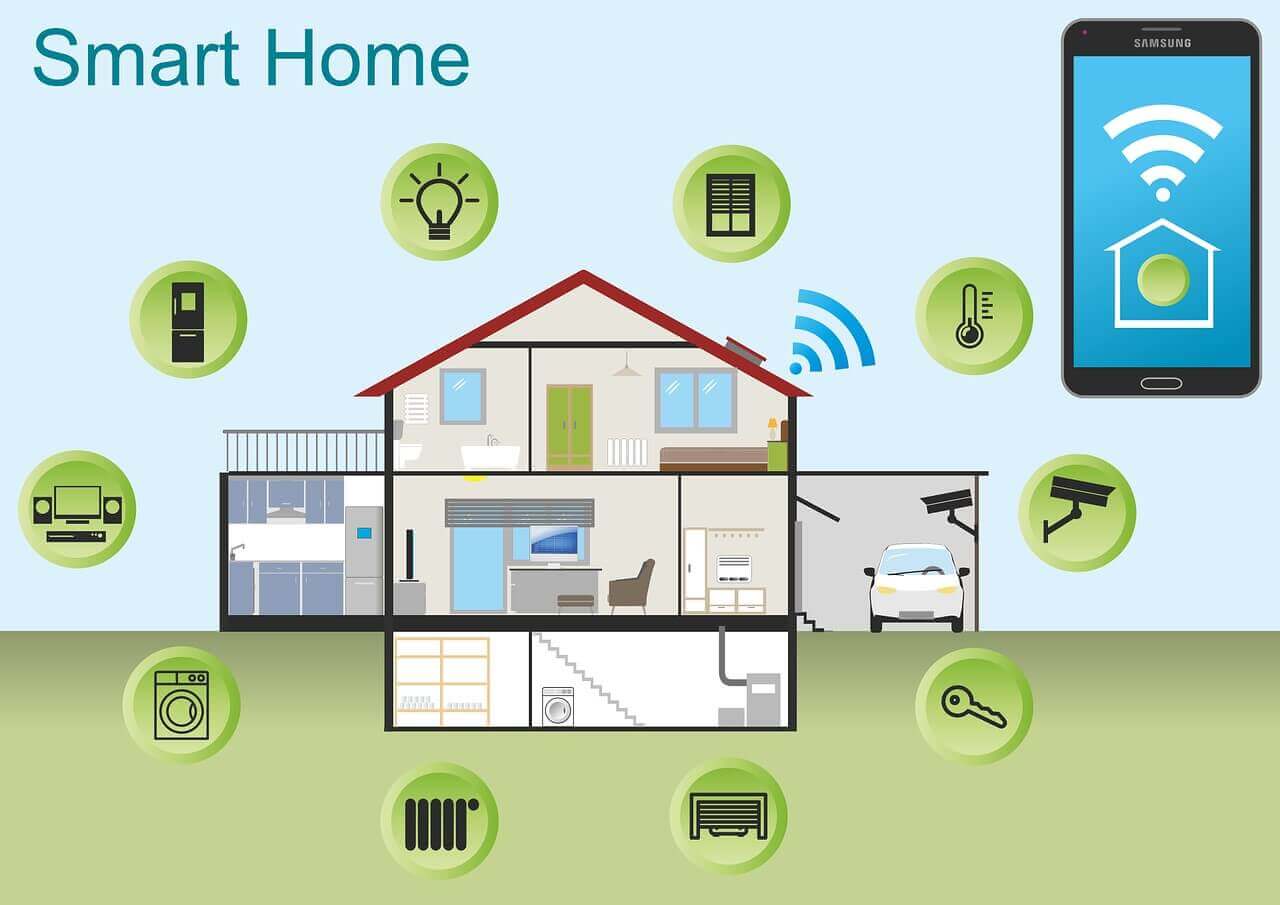
Technology has slowly become part of everyday life in ways that most people never imagined a decade ago. Smart home gadgets are no longer expensive luxury products made only for technology enthusiasts. Today, many of these devices are affordable, simple to use, and designed to solve practical daily problems. From saving time in the morning to improving home security and reducing energy use, smart gadgets can make everyday routines smoother and more comfortable.
What makes a smart home device truly useful is not how advanced it looks or how many features it offers. The best gadgets are the ones that quietly improve daily life without creating extra stress or confusion. People want products that work reliably, save effort, and fit naturally into their routine.
Many households around the world are now using smart devices to manage lighting, cooking, cleaning, entertainment, and security. Some gadgets help busy professionals stay organized, while others support families, elderly people, or anyone looking for convenience. As internet connectivity improves globally, smart home technology is becoming more common in homes of all sizes.
Smart Gadgets That Save Time and Reduce Daily Effort
One of the biggest reasons people invest in smart home devices is convenience. Daily tasks may seem small individually, but together they consume a large amount of time and energy. Smart gadgets help automate repetitive activities so people can focus on work, family, hobbies, or rest.
Smart speakers are among the most widely used home devices today. Products like voice assistants can answer questions, play music, set alarms, create reminders, and control other smart devices using simple voice commands. Instead of searching for a phone while cooking or cleaning, users can simply ask the device for weather updates, timers, recipes, or news headlines. These small conveniences quickly become part of daily life.
Robot vacuum cleaners are another gadget that has become extremely useful for modern households. Cleaning floors every day can be tiring, especially for people with pets, children, or busy schedules. Robot vacuums automatically move around rooms, collect dust, and return to their charging stations when finished. Some advanced models can even map rooms and avoid obstacles. While they may not completely replace deep cleaning, they significantly reduce everyday cleaning effort.
Smart lighting systems also make home management easier. Instead of manually switching lights on and off, users can control lighting through apps, schedules, or voice commands. Lights can automatically dim at night, turn on before someone arrives home, or switch off when rooms are empty. This not only improves convenience but also helps reduce electricity consumption.
In kitchens, smart appliances are becoming increasingly practical. Smart coffee makers can prepare coffee before someone wakes up. Smart ovens allow users to monitor cooking remotely through mobile apps. Some refrigerators can notify owners when groceries are running low or when the door is accidentally left open. These features may sound simple, but they help busy households stay organized.
Smart plugs are one of the easiest and most affordable ways to create a smarter home. These small devices connect regular appliances to Wi-Fi, allowing users to control them remotely. A person can switch off forgotten appliances while away from home or schedule devices like fans, lamps, or chargers to operate automatically. Smart plugs are especially useful because they upgrade ordinary electronics without requiring expensive replacements.
Another useful category is smart thermostats and climate control systems. These devices automatically adjust room temperature based on user habits and preferences. Instead of constantly changing settings manually, the system learns routines and creates a comfortable indoor environment while saving energy. In countries with extreme weather, smart climate systems can significantly improve comfort and reduce utility bills.
Smart Home Devices That Improve Safety and Peace of Mind
Home security has become one of the strongest areas of smart home technology. People want to feel safe whether they are at home, at work, or traveling. Smart security devices allow homeowners to monitor their property more easily and react quickly when problems occur.
Smart doorbells with built-in cameras have become especially popular in recent years. These devices allow users to see visitors through their smartphones, even when they are not home. Some models include motion detection and two-way communication, allowing people to speak directly with delivery workers or guests remotely. This added visibility improves both convenience and security.
Indoor and outdoor smart cameras are also helping households monitor activity in real time. Modern cameras can send alerts when unusual movement is detected and store video recordings in the cloud. Parents often use them to monitor children, while pet owners check on animals during the day. Many people also use smart cameras as a deterrent against theft or unwanted visitors.
Smart locks are changing how people manage access to their homes. Traditional keys can be lost, forgotten, or copied, but smart locks offer digital alternatives such as mobile apps, fingerprints, or temporary passcodes. This is especially useful for families, Airbnb hosts, or people who frequently receive deliveries. Temporary access can be granted to guests or service workers without handing over physical keys.
Smoke detectors and smart alarms are another important category. Traditional smoke alarms already save lives, but smart versions provide extra protection by sending alerts directly to smartphones. If smoke or carbon monoxide is detected while nobody is home, users are notified immediately. This faster communication can help prevent serious damage.
Water leak detectors may not be the most exciting gadgets, but they can prevent expensive home repairs. These small sensors detect leaks near sinks, washing machines, or water heaters and instantly send alerts when moisture appears. Early detection can stop minor plumbing problems from becoming major disasters.
Many smart security systems now combine multiple devices into one connected network. Cameras, locks, lights, and alarms work together automatically. For example, outdoor lights may turn on when motion is detected at night, while security cameras begin recording immediately. This creates a more responsive and intelligent home environment.
Privacy and cybersecurity are important concerns with smart devices, however. Since these gadgets connect to the internet, users should always choose trusted brands, update software regularly, and use strong passwords. Smart home convenience should always be balanced with digital safety.
Everyday Comfort, Health, and Lifestyle Improvements
Beyond convenience and security, smart gadgets are also improving comfort, wellness, and overall lifestyle. Many devices are designed to create healthier, more enjoyable living environments while helping people manage stress and daily routines more effectively.
Smart air purifiers have become increasingly popular in urban areas where pollution and allergies are common concerns. These devices monitor air quality and automatically adjust purification levels when pollutants increase. Cleaner indoor air can improve sleep quality, reduce allergies, and create a healthier home environment.
Smart humidifiers and climate monitors help maintain balanced indoor conditions. Dry air can cause discomfort, skin irritation, or breathing problems, especially during winter or in air-conditioned spaces. Smart systems automatically maintain ideal humidity levels and provide detailed information about indoor conditions.
Sleep technology is another growing category in smart homes. Smart beds, sleep trackers, and connected lighting systems help people develop healthier sleep habits. Some devices gradually dim lights before bedtime or simulate natural sunlight in the morning to improve wake-up routines. Better sleep often leads to improved productivity, mood, and overall health.
Smart fitness devices also connect the home environment with personal wellness. Home workout systems, interactive fitness mirrors, and connected exercise equipment allow users to exercise more conveniently without visiting a gym. Many people appreciate the flexibility of working out at home while still tracking progress through apps and digital coaching.
Entertainment systems have also become smarter and easier to manage. Smart TVs, wireless speakers, and streaming devices allow users to access movies, music, and online content instantly. Voice-controlled entertainment systems reduce the need for multiple remotes and make media access simpler for all age groups.
In households with elderly family members, smart home technology can provide additional support and independence. Voice assistants help with reminders for medication, appointments, or emergency contacts. Smart monitoring systems can alert family members if unusual activity patterns occur. These technologies help older adults maintain independence while giving relatives greater peace of mind.
Energy efficiency is another major advantage of modern smart homes. Smart lighting, climate systems, and appliances help reduce unnecessary electricity usage. As energy prices rise globally, households are becoming more interested in technologies that lower long-term utility costs. Even small improvements in efficiency can create noticeable savings over time.
The future of smart home technology will likely focus even more on simplicity and automation. Devices are becoming easier to install, more compatible with each other, and better at learning user habits. Instead of requiring constant adjustments, smart homes are slowly evolving into systems that quietly support daily life in the background.
For many people, the most valuable smart gadgets are not the most expensive or complicated ones. The devices that truly matter are those that save time, reduce stress, improve comfort, and make everyday routines feel a little easier.
Leave a Reply