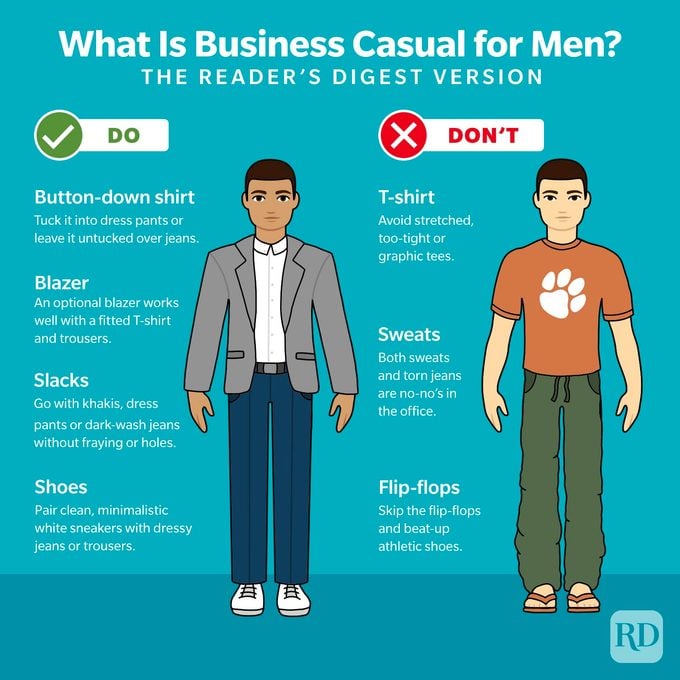
Dress codes have changed significantly over the past few decades. Traditional workplace fashion once followed strict formal rules, especially in offices and professional settings. Suits, ties, polished shoes, and highly structured outfits were considered standard in many industries. Today, however, modern workplaces have become more flexible, and dress codes often vary depending on company culture, industry, location, and even individual teams.
One of the most common areas of confusion is the difference between casual and business casual clothing. Many people struggle to understand where the line exists between relaxed fashion and professional appearance. What feels acceptable in one office may seem too informal in another. Remote work, hybrid work models, and changing social trends have made these dress codes even more flexible and sometimes harder to define.
Understanding modern dress codes is important because clothing still influences first impressions, confidence, and workplace communication. Dressing appropriately shows awareness of the environment and respect for professional settings. At the same time, modern fashion increasingly values comfort and personal style rather than rigid formal rules.
Casual and business casual clothing are not completely separate categories. Instead, they often overlap depending on context. The key difference usually lies in how polished, structured, and professional the overall appearance looks. Learning how to balance comfort with professionalism helps people feel more confident in both work and social environments.
What Casual Dress Really Means in Modern Fashion
Casual clothing focuses primarily on comfort, simplicity, and personal style. These are the clothes people typically wear during free time, social outings, shopping trips, travel, or relaxed environments. Casual fashion allows much more freedom in colors, patterns, fabrics, and styling compared to professional dress codes.
T-shirts, jeans, sneakers, hoodies, shorts, and casual dresses are all common examples of casual wear. These clothes are designed to feel comfortable and practical for everyday activities rather than formal situations. Casual fashion also changes quickly with trends, seasons, and lifestyle influences.
Modern casual fashion has become heavily influenced by streetwear, sportswear, and digital culture. Athleisure clothing, oversized fits, sneakers, and minimalist basics are now common worldwide. Social media platforms and celebrity fashion trends have also contributed to more relaxed everyday dressing habits.
Jeans are one of the most recognizable casual clothing items globally. Different styles such as slim-fit, straight-leg, relaxed-fit, or distressed jeans all fall within casual fashion, although some cleaner dark denim styles may also work in business casual settings. Casual clothing often prioritizes individuality and self-expression more than workplace appropriateness.
Footwear in casual fashion also tends to focus on comfort and personality. Sneakers, sandals, slip-ons, and casual boots are commonly worn in relaxed settings. Bright colors, bold patterns, and trendy designs are more accepted because casual fashion encourages creativity and personal taste.
Casual clothing is not necessarily careless or unorganized. Well-fitted and clean casual outfits can still look stylish and put together. A simple combination of jeans, a fitted T-shirt, and clean sneakers may appear modern and fashionable while remaining completely casual.
Weather and lifestyle also strongly influence casual fashion. In warmer climates, lightweight fabrics, shorts, and sandals are common, while colder regions rely more on layering with jackets, hoodies, and knitwear. Casual clothing adapts easily to comfort needs and daily activities.
However, casual clothing may not always be appropriate for professional or formal situations. Clothes that are too relaxed, revealing, wrinkled, or overly sporty can create an unprofessional impression in business environments. Understanding this distinction is important because many people assume that relaxed workplace culture means anything can be worn to the office.
Another reason casual dress codes can be confusing is because social standards continue changing. Some industries such as technology, media, or creative fields allow highly relaxed clothing even during work hours. Meanwhile, industries like finance, law, or consulting may still expect more polished appearances despite modern fashion trends.
Casual fashion ultimately prioritizes comfort and personal freedom. It allows people to dress according to their personality and lifestyle without strict professional expectations. The challenge comes when trying to adapt casual clothing for environments that still require some level of professionalism.
Understanding the Meaning of Business Casual
Business casual sits between formal business wear and everyday casual clothing. It combines professionalism with comfort, allowing employees to look polished without requiring full formal attire such as suits and ties every day. Business casual has become one of the most common workplace dress codes globally because it balances practicality and professionalism.
The biggest difference between casual and business casual is presentation. Business casual clothing still looks organized, neat, and workplace-appropriate even though it feels more relaxed than traditional formal office wear.
Typical business casual outfits often include collared shirts, blouses, tailored trousers, chinos, smart dresses, skirts, loafers, flats, or clean minimal shoes. Blazers, cardigans, and lightweight sweaters are also commonly used in business casual wardrobes because they add structure without appearing overly formal.
Neutral colors play a large role in business casual fashion. Black, navy, gray, white, beige, and earth tones create a more polished and versatile appearance. While some patterns and colors are acceptable, extremely flashy prints or loud designs are usually avoided in professional settings.
Fit and grooming become especially important in business casual dressing. Even simple clothing can appear professional when it fits well and is properly maintained. Wrinkled shirts, damaged shoes, or poorly fitted pants can make business casual outfits look careless instead of polished.
Footwear is another major distinction between casual and business casual styles. While athletic sneakers and flip-flops are common in casual fashion, business casual environments usually prefer cleaner and more refined shoe styles. Loafers, leather shoes, ankle boots, or minimalist sneakers with simple designs often work better in professional settings.
Business casual dress codes vary widely depending on workplace culture. Some companies allow dark jeans and clean sneakers, while others expect more traditional office clothing. Technology companies and startups may have very relaxed business casual standards, whereas corporate offices may still lean closer to formal business wear.
Remote work has also influenced business casual fashion significantly. Many professionals now prioritize comfort during video meetings while still maintaining a neat appearance. Smart tops combined with more relaxed lower clothing have become common during remote work routines. Hybrid work environments continue blending casual comfort with professional expectations.
One common mistake people make is confusing business casual with simply “not formal.” Business casual still requires intentional styling and attention to appearance. Clothes that are too revealing, overly tight, ripped, or gym-oriented usually remain inappropriate for professional settings even in relaxed workplaces.
Accessories in business casual fashion are generally minimal and practical. Watches, belts, simple jewelry, and structured bags help complete outfits without becoming distracting. The goal is to look polished and approachable rather than overly fashionable or formal.
Business casual clothing has become popular partly because it reflects changing workplace values. Modern companies increasingly focus on employee comfort, flexibility, and individuality while still maintaining professional standards. Employees often feel more comfortable, productive, and confident when dress codes allow some personal expression.
Adapting Dress Codes to Different Situations and Industries
One of the most important skills in modern fashion is understanding context. Dress codes are rarely universal anymore, and people often need to adapt their clothing depending on industry, workplace culture, events, and social expectations.
For example, someone working in a law office may need more traditional business casual clothing than someone working in graphic design or digital marketing. Creative industries often allow more freedom with colors, sneakers, and relaxed styling, while client-facing corporate roles may still expect more polished appearances.
Job interviews are situations where dress code decisions become especially important. Even in companies with relaxed daily clothing standards, interview candidates often benefit from dressing slightly more professionally during first meetings. A polished appearance usually communicates seriousness, preparation, and respect.
Business travel and conferences may also require adjustments. Casual airport outfits may need to transition into business casual looks for meetings or networking events. Versatile wardrobe pieces become useful because they allow professionals to adapt quickly without carrying excessive clothing.
Cultural differences also influence dress code expectations globally. In some countries, workplaces remain more conservative regarding professional appearance, while others embrace relaxed office fashion more openly. Understanding local customs and company culture helps avoid awkward situations.
Social events connected to work can create additional confusion. Company dinners, team outings, or networking events often fall somewhere between casual and business casual expectations. In these situations, slightly polished casual clothing usually works best because it balances professionalism with comfort.
Another growing influence on modern dress codes is sustainability. Many people are now moving away from fast fashion and building smaller wardrobes filled with versatile essentials. Business casual clothing often supports this approach because neutral and timeless pieces can be worn repeatedly in different combinations.
Personal confidence also plays a major role in how clothing is perceived. People generally communicate more effectively when they feel comfortable and confident in what they wear. Overly formal or uncomfortable clothing can sometimes affect body language and confidence negatively, especially in relaxed workplaces.
Fashion trends will likely continue becoming more flexible as workplaces evolve further. Younger generations increasingly value comfort, individuality, and practicality over strict traditional dress rules. However, professionalism and presentation still matter in many situations regardless of changing trends.
Understanding the difference between casual and business casual ultimately comes down to balance. Casual fashion focuses mainly on comfort and personal expression, while business casual adds structure and professionalism without becoming overly formal. Learning how to navigate both styles helps people adapt confidently to modern workplaces, social environments, and changing fashion expectations around the world.
Leave a Reply