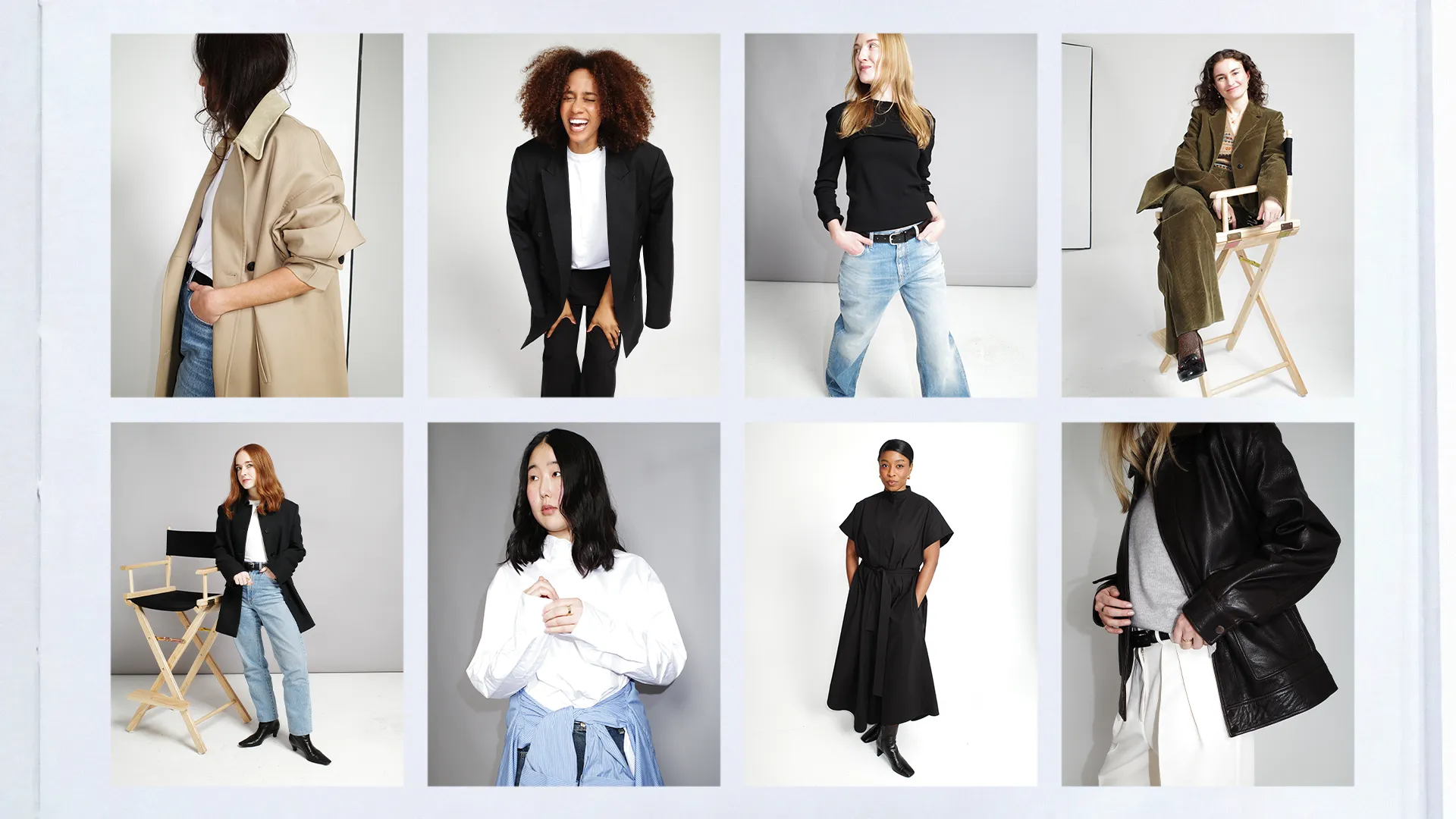
Fashion in the workplace has changed significantly over the years. Many offices around the world no longer follow extremely strict dress codes, and modern professional clothing often combines comfort, practicality, and personal style. At the same time, appearance still plays an important role in professional life. The way people dress can influence confidence, first impressions, and even workplace communication.
Professional fashion is not about wearing expensive designer clothing or constantly following trends. The goal is to build a wardrobe that looks polished, feels comfortable, and works well for daily routines. A strong professional wardrobe saves time, reduces stress, and helps people feel prepared for meetings, presentations, networking events, and everyday office life.
Many working professionals struggle with deciding what to wear regularly. Buying random fashionable items often leads to cluttered wardrobes filled with clothes that do not match or suit workplace environments. Instead of focusing on quantity, professionals usually benefit more from versatile essentials that can be mixed and matched easily.
Workplace fashion also varies across industries and cultures. Corporate offices may expect more formal clothing, while creative industries often allow relaxed styles. Remote work and hybrid work models have also changed how people approach professional dressing. Despite these differences, certain wardrobe essentials remain useful for almost everyone because they provide flexibility, comfort, and timeless style.
Clothing Essentials That Create a Versatile Professional Wardrobe
One of the most valuable fashion habits for working professionals is building a wardrobe around timeless basics rather than short-term trends. Essential pieces can be worn repeatedly in different combinations, making daily outfit decisions easier and more practical.
A well-fitted blazer is one of the most important items in a professional wardrobe. Blazers instantly make outfits look more polished and structured without feeling overly formal. They can be worn over shirts, dresses, sweaters, or even simple T-shirts in more relaxed workplaces. Neutral colors such as black, navy, gray, or beige are especially versatile because they match a wide variety of clothing.
Quality shirts and tops are equally important. Crisp button-down shirts, simple blouses, or well-made plain tops create a clean and professional appearance. White, light blue, gray, and soft neutral shades remain popular because they work in almost any office setting. Comfortable fabrics that breathe well throughout the day are also important, especially for people working long hours.
Tailored trousers are another essential piece for professionals. Properly fitted pants provide comfort and flexibility while maintaining a refined appearance. Straight-leg, slim-fit, or relaxed tailored styles often work well across different workplaces. Neutral-colored trousers are easy to pair with multiple shirts, jackets, and shoes, reducing the need for large wardrobes.
For professionals who prefer skirts or dresses, simple and structured designs tend to be the most practical. Dresses that are neither too tight nor too casual offer flexibility for meetings, office work, and professional events. Layering with blazers or cardigans can also adapt outfits to different seasons and workplace environments.
Comfortable knitwear has become increasingly important in modern professional fashion. Lightweight sweaters, cardigans, and pullovers provide warmth while maintaining a polished appearance. In many offices, especially with air conditioning or colder weather, layering pieces are essential for comfort during long working hours.
A reliable pair of dark jeans may also be appropriate in many modern workplaces, especially those with business-casual dress codes. Dark denim without excessive distressing or flashy designs can look neat and professional when paired with proper shoes and tops. As office culture becomes more flexible globally, smart casual clothing is becoming more accepted in many industries.
Outerwear also matters for professionals who commute regularly. A clean and well-fitted coat or jacket adds sophistication and practicality during travel. Trench coats, wool coats, or minimalist jackets often work well because they combine function with timeless style.
Neutral color palettes are popular in professional fashion because they simplify outfit coordination. Black, navy, gray, white, brown, and beige pieces are easier to combine, allowing professionals to create multiple outfits without needing excessive clothing. Adding a few accent colors through accessories or smaller clothing items can still keep wardrobes visually interesting.
Fit is often more important than brand names or price tags. Even expensive clothing may look unprofessional if it fits poorly. Tailoring can significantly improve how clothes look and feel. Small adjustments to sleeve length, trouser hems, or waistlines can make affordable clothing appear much more refined.
Shoes, Accessories, and Everyday Practicality
While clothing forms the foundation of professional style, shoes and accessories strongly influence the overall appearance. Practicality is especially important for working professionals who spend long hours walking, commuting, attending meetings, or standing throughout the day.
Comfortable professional shoes are one of the best investments anyone can make. Stylish footwear may look appealing initially, but uncomfortable shoes quickly become a daily problem. Professionals often perform better when they feel physically comfortable throughout the workday.
Classic leather shoes, loafers, flats, ankle boots, or clean sneakers designed for business-casual settings are common choices depending on workplace culture. Neutral colors such as black, brown, white, or tan remain versatile and easy to pair with different outfits. Shoes should also be maintained properly because worn-out footwear can affect an otherwise polished appearance.
Bags are another practical necessity for professionals. A good work bag should be functional, durable, and simple in design. Many professionals carry laptops, documents, chargers, water bottles, and personal items daily, so organization matters. Structured tote bags, backpacks with professional designs, or leather briefcases are popular options.
Minimal accessories often work best in professional environments. Watches, belts, scarves, and simple jewelry can enhance outfits without becoming distracting. Many professionals prefer subtle accessories because they create a clean and sophisticated appearance suitable for different business settings.
A quality watch remains one of the most timeless professional accessories. Beyond practicality, watches often communicate attention to detail and professionalism. Simple designs with neutral colors are usually the most versatile for daily use.
Belts are small but important details that help outfits appear more polished. Matching belt colors with shoes often creates a more coordinated and refined appearance. Simple leather belts without oversized logos or flashy designs work well across most professional settings.
Professional grooming is closely connected to fashion as well. Clean clothing, neat hairstyles, polished shoes, and proper hygiene all contribute to overall presentation. Even simple outfits can look highly professional when maintained properly.
Seasonal adaptability is another important factor in everyday professional fashion. Lightweight fabrics are essential in warm climates, while layering becomes more important in colder regions. Professionals who travel frequently often benefit from wrinkle-resistant fabrics and versatile pieces that work across different weather conditions.
Remote work has also influenced professional fashion habits. Many people now prioritize comfort more than before while still maintaining a neat appearance for video calls and virtual meetings. Smart casual clothing that balances professionalism and comfort has become increasingly common worldwide.
Building Confidence Through Personal Style and Simplicity
Fashion affects more than appearance alone. Clothing can strongly influence confidence, self-image, and professional mindset. When people feel comfortable and confident in what they wear, they often communicate more effectively and approach work with greater assurance.
One of the biggest mistakes professionals make is trying too hard to follow every fashion trend. Trend-focused wardrobes often become expensive, inconsistent, and difficult to maintain. Timeless style usually creates a stronger long-term impression than constantly changing fashion choices.
Developing a personal professional style takes time. Some people prefer minimalist clothing, while others enjoy subtle patterns, textures, or colors. The goal is to create a wardrobe that reflects personality while remaining appropriate for the workplace. Authenticity often matters more than copying fashion influencers or social media trends.
Confidence also comes from preparation. Professionals with organized wardrobes spend less time worrying about daily outfit decisions. Planning clothing in advance reduces stress during busy mornings and creates smoother routines.
Quality often matters more than quantity in professional fashion. A smaller wardrobe filled with versatile, durable essentials is usually more useful than closets packed with rarely worn items. Investing in a few high-quality basics often saves money over time because these pieces last longer and remain stylish across changing trends.
Sustainability has also become an important part of modern fashion discussions. Many professionals are becoming more aware of overconsumption and fast fashion. Choosing durable clothing, maintaining garments properly, and purchasing thoughtfully can reduce waste while building more reliable wardrobes.
Workplace fashion should also adapt naturally to career growth and lifestyle changes. Entry-level employees, executives, freelancers, and entrepreneurs may all have slightly different clothing needs. Instead of following rigid fashion rules, professionals benefit more from understanding the expectations of their environment while maintaining personal comfort and confidence.
Social media has created both inspiration and pressure regarding professional appearance. While online fashion content can provide useful ideas, unrealistic standards sometimes make people feel that they constantly need new outfits or luxury brands. In reality, most successful professional wardrobes rely on simplicity, consistency, and practicality rather than expensive fashion trends.
Professional fashion ultimately works best when it supports daily life instead of complicating it. Comfortable clothing, versatile essentials, practical accessories, and thoughtful styling can help working professionals feel more organized, capable, and confident in both personal and professional situations.
Leave a Reply