Modern life has become increasingly fast-paced for many people around the world. Work deadlines, commuting, family responsibilities, studies, social commitments, and constant digital distractions often leave little time for healthy eating. As schedules become more demanding, nutrition is usually one of the first things people neglect. Many individuals skip meals, rely heavily on processed foods, or eat irregularly simply because they feel too busy to focus on proper nutrition.
Healthy eating, however, does not always require complicated meal plans, expensive ingredients, or hours spent in the kitchen. In reality, small and practical nutrition habits can make a major difference in energy levels, concentration, mood, and overall health. Busy lifestyles do create challenges, but simple adjustments can help people eat better without adding extra stress to their daily routines.
Many people assume healthy eating means following strict diets or avoiding all favorite foods. This mindset often makes nutrition feel difficult and unsustainable. A more realistic approach focuses on balance, consistency, and convenience. Simple choices such as staying hydrated, preparing basic meals ahead of time, or keeping healthier snacks available can support better health even during hectic schedules.
Good nutrition becomes especially important when life feels busy because the body and mind rely on proper fuel to handle stress and maintain productivity. Eating well supports physical energy, mental focus, immune function, and emotional well-being. People who nourish themselves properly often perform better at work, recover faster from fatigue, and maintain more stable moods throughout the day.
Planning Simple Meals and Snacks for Busy Days
One of the biggest challenges busy people face is lack of time for meal preparation. After long workdays or packed schedules, cooking elaborate meals may feel unrealistic. Because of this, many individuals turn to fast food, packaged snacks, or takeout meals regularly. While convenience foods may save time temporarily, relying on them too often can lead to poor nutrition and lower energy levels.
Meal planning does not need to be complicated to be effective. Even basic preparation can make healthy eating much easier during busy weeks. Cooking larger portions and storing leftovers for future meals is one of the simplest strategies. Foods such as rice, grilled chicken, roasted vegetables, soups, pasta, or beans can be prepared in advance and used in different combinations throughout the week.
Keeping quick and nutritious foods available at home is also important. Eggs, yogurt, oats, fruits, nuts, whole grain bread, canned beans, and frozen vegetables are affordable staples that can be used to create fast meals with minimal effort. Frozen vegetables are especially useful because they last longer and still provide valuable nutrients.
Healthy snacks can help busy people avoid excessive hunger and unhealthy impulse eating. Many people experience energy crashes during long workdays and reach for sugary snacks or processed foods because they are easy to access. Having healthier alternatives nearby can reduce this habit significantly.
Portable snack options such as fruit, nuts, seeds, yogurt, boiled eggs, protein bars with simple ingredients, or whole grain crackers are practical choices for work, school, or commuting. These foods provide more balanced nutrition and help maintain stable energy levels throughout the day.
Breakfast is another area where busy schedules often create problems. Many people skip breakfast entirely or rely on sugary pastries and coffee alone. A simple breakfast with protein, fiber, and healthy carbohydrates can improve concentration and reduce hunger later in the day. Overnight oats, smoothies, eggs, yogurt with fruit, or whole grain toast are examples of quick but nutritious options.
Hydration is equally important but frequently overlooked. Dehydration can cause tiredness, headaches, and difficulty concentrating, especially during stressful workdays. Carrying a reusable water bottle and drinking water consistently throughout the day can improve both physical and mental performance.
Busy people also benefit from simplifying their approach to healthy eating. Not every meal needs to be perfectly balanced or highly creative. Repeating a few reliable meal options during the week can save time and reduce decision fatigue. Many healthy eaters rely on simple routines rather than constantly searching for new recipes.
Eating regular meals also helps prevent overeating later in the day. Some people skip lunch because of work pressure and then consume large unhealthy meals at night when hunger becomes overwhelming. Maintaining more consistent eating patterns often supports better digestion and energy control.
Making Better Food Choices Without Following Strict Diets
One reason many people struggle with nutrition is the belief that healthy eating requires extreme discipline or strict dieting. In reality, sustainable nutrition habits are usually built through moderation and realistic choices rather than rigid restrictions.
Highly restrictive diets may produce short-term results, but they are often difficult to maintain for people with busy lifestyles. Constant calorie counting, complicated meal tracking, or eliminating entire food groups can create stress and frustration. Simpler approaches are often more practical and sustainable over time.
One of the easiest nutrition improvements is reducing highly processed foods gradually. Processed foods often contain excessive sugar, sodium, unhealthy fats, and artificial ingredients. While occasional convenience foods are understandable, replacing some processed meals with fresher alternatives can improve overall nutrition significantly.
Adding more whole foods is usually easier than focusing only on restrictions. Fruits, vegetables, whole grains, legumes, nuts, seeds, lean proteins, and healthy fats provide nutrients that support energy and long-term health. Even small increases in whole food consumption can create positive changes over time.
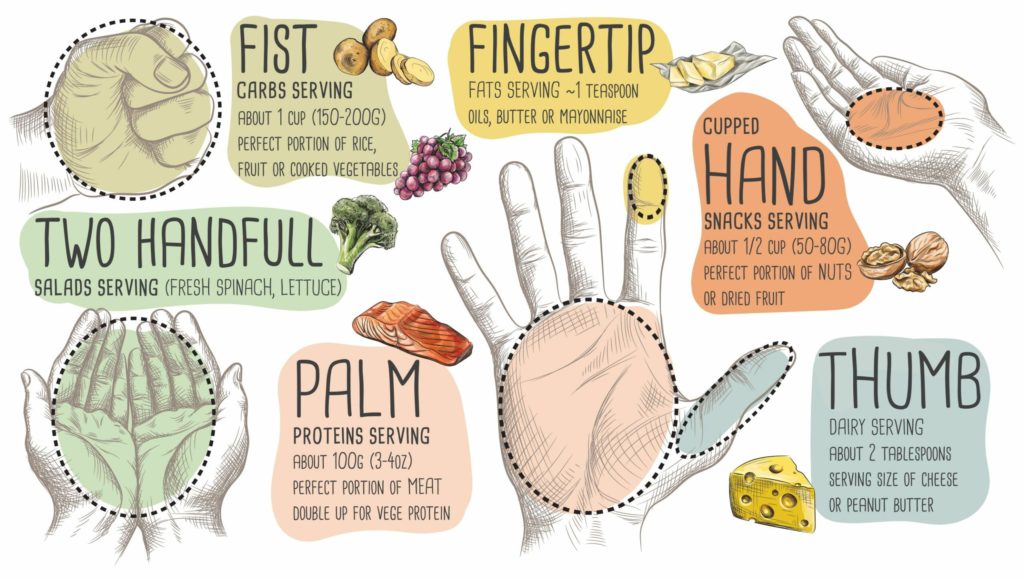
Portion awareness also matters. Busy people sometimes eat quickly while distracted by work, screens, or multitasking. This often leads to overeating because the brain does not fully register fullness signals. Eating more slowly and paying attention during meals can improve digestion and satisfaction.
Restaurant meals and takeout foods are common parts of modern lifestyles, especially for professionals and travelers. Healthy eating does not require avoiding restaurants completely. Choosing grilled foods instead of fried options, adding vegetables, reducing sugary drinks, or controlling portion sizes are practical ways to make better choices while eating out.
Many people also underestimate the impact of sugary beverages. Soft drinks, sweetened coffees, energy drinks, and packaged juices can add large amounts of sugar and calories without providing lasting fullness. Replacing some of these drinks with water, herbal tea, or unsweetened beverages can improve energy stability and reduce unnecessary sugar intake.
Protein is another important nutrient for busy individuals because it helps maintain fullness and supports muscle health. Including protein sources such as eggs, fish, chicken, beans, tofu, yogurt, or nuts in meals can reduce hunger and support more stable energy throughout the day.
Fiber-rich foods are equally valuable because they support digestion and help people stay satisfied longer. Oats, fruits, vegetables, legumes, and whole grains provide fiber that supports healthier eating habits and reduces constant snacking.
Sleep and stress management also influence nutrition more than many people realize. Lack of sleep often increases cravings for sugary and high-calorie foods. Stress can lead to emotional eating or irregular meal patterns. Maintaining healthy routines becomes easier when people also prioritize rest and stress reduction.
Social media and diet culture sometimes create unrealistic expectations around nutrition. Perfectly prepared meals and extreme fitness trends may look appealing online, but they are not always practical for everyday life. Sustainable eating habits are usually simple, flexible, and adaptable to individual schedules and preferences.
Creating Long-Term Healthy Habits for a Busy Lifestyle
One of the most important aspects of healthy nutrition is consistency. Small habits repeated regularly often create better long-term results than extreme changes that are difficult to maintain. Busy people usually benefit most from realistic routines that fit naturally into their schedules.
Building habits gradually is often more effective than trying to change everything at once. For example, someone may begin by drinking more water daily, adding fruit to breakfast, or preparing lunch at home a few times each week. Small successes help create motivation and make healthier routines feel manageable.
Organization can also support better nutrition. Keeping healthy foods visible and easily accessible increases the likelihood of making better choices. Pre-cut vegetables, ready-to-eat fruits, prepared snacks, and organized refrigerators make healthy eating more convenient during stressful days.
Workplace habits strongly affect nutrition as well. Many office environments encourage long sitting hours, irregular eating, and frequent snacking on processed foods. Bringing meals from home, keeping healthy snacks nearby, or taking short meal breaks can help improve workplace eating patterns.
Family routines also influence eating habits significantly. Shared meals encourage more mindful eating and healthier food choices for many households. Even busy families benefit from eating together occasionally instead of relying entirely on separate convenience meals.
Travel and commuting create additional challenges for maintaining healthy nutrition. Airports, train stations, and convenience stores often offer limited healthy options. Planning ahead by carrying snacks, drinking enough water, and researching food choices in advance can help maintain better habits while traveling.
Flexibility is another important part of sustainable nutrition. Busy people should not feel guilty for occasional fast food meals, celebrations, or imperfect eating days. Long-term health depends more on overall patterns than isolated choices. Balance and moderation are usually more realistic than perfection.
Technology can also support healthier eating habits. Meal-planning apps, grocery delivery services, recipe platforms, and fitness trackers help many people stay organized and save time. However, overly obsessive tracking can sometimes create stress, so technology works best when used as a supportive tool rather than a strict control system.
Healthy nutrition should ultimately support life rather than complicate it. Simple habits such as eating regular meals, staying hydrated, choosing more whole foods, and preparing basic meals ahead of time can improve energy, focus, and well-being even during the busiest schedules. Over time, these small adjustments often become natural routines that help people feel healthier and more balanced without requiring extreme effort or major lifestyle changes.
Leave a Reply